Any real-money game within an online casino, be it a spinning slot reel or a blackjack hand dealt by a live dealer, is built around a mathematical foundation that ensures the operator’s long-term edge. For Australian players who wish to turn casual entertainment into a more thoughtful hobby, understanding how this edge actually works is the single most powerful tool at hand. It does not mean the games are rigged; instead it reveals why certain bets cost more over time, how payout percentages influence actual returns, and when a bonus genuinely adds worth. At Betscore Casino, players come across hundreds of titles across pokies, table games, and live dealer rooms, and behind each one sits a house advantage that can be understood, compared, and managed. This guide uncovers those rules from the inside, so every decision on the platform becomes more informed.
5. Slot Games and the Concealed Factors That Influence the Edge
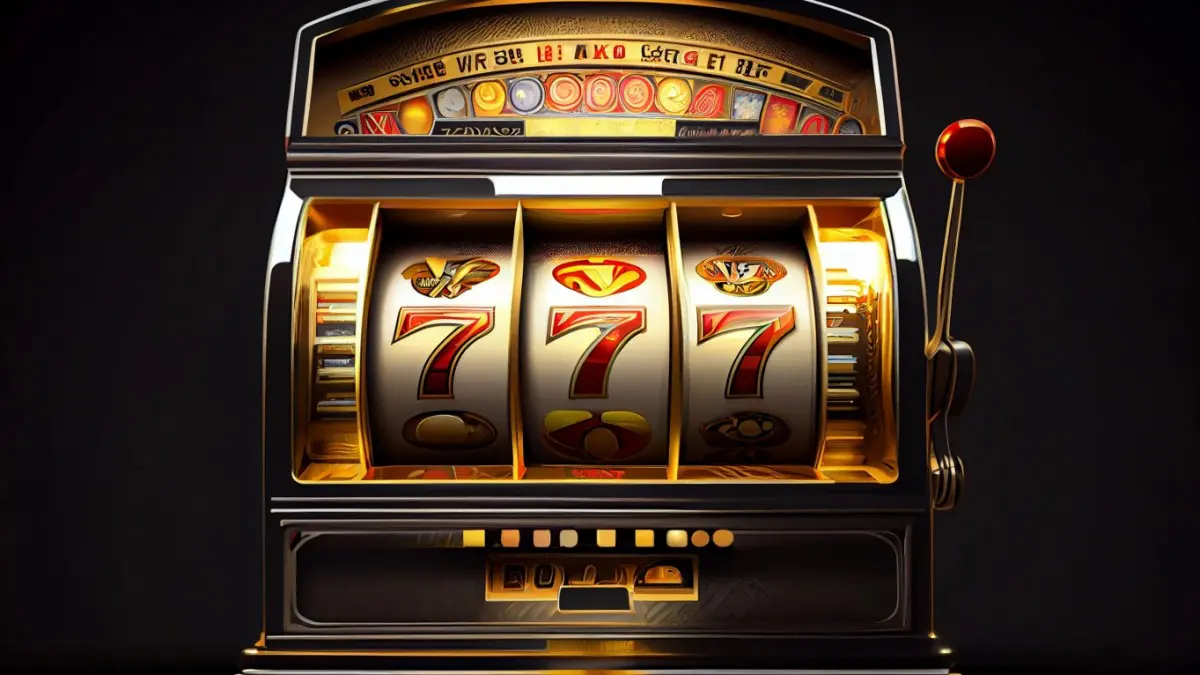
Slots dominate the display on any Australian-facing casino platform, and their house edge is seldom a sole static number that applies uniformly to every spin. Instead, each title holds a pre-set theoretical RTP that emerges over millions of spins, frequently varying from 94% to 98%. That implies the house edge fluctuates between 2% and 6% according to the individual game build. Providers craft their math models so that a part of the RTP is held back for bonus features, meaning a player who never triggers free spins essentially encounters a higher personal house edge than the stated figure. At Betscore Casino, game information screens display the RTP for most titles, but it is the combination of hit frequency, bonus contribution, and volatility that governs how the edge really operates across a standard Australian player’s session.
One of the most underestimated factors is the progressive jackpot contribution. When a slot contributes to a network-wide jackpot, a small fraction of every stake is allocated to fund that pooled prize. That slice is subtracted from the base game returns, in essence raising the house edge for players who never hit the progressive. A machine might display a 96% overall RTP, but if 2% goes to the progressive contribution, the base game edge rises to 6% for everyone except the eventual top-prize winner. Australian gamblers who are drawn to big linked jackpots on the platform should realize they are playing a lottery embedded inside a slot, and the hidden tax is actual. Betscore Casino clearly identifies jackpot-eligible games with a badge, making it straightforward to decide whether the dream of a life-changing win balances the mathematical trade-off.
Another subtle influence manifests in games with adjustable bet levels. Some classic video pokies let players to decrease the coin count or line selection, which can accidentally deactivate bonus triggers or diminish the RTP of that certain configuration. Modern online slots mostly lock the paylines to avoid this, but it stays a point to check, especially on classic three-reel fruit machines. When an Australian player launches a new title on their phone during a lunch break, the quickest way to gauge the house edge is to open the game rules and look for the theoretical payout percentage. At Betscore Casino, the mobile-optimised interface keeps that information within two taps, letting a player verify the numbers before they commit a dollar.
9. Intelligent Approach: Employing Bonuses and Sensible Limits to Handle the Edge
Casino bonuses and promotions can momentarily shift the mathematical balance in the player’s favor, but only when the terms are authentically player-friendly. A welcome deposit match efficiently adds extra funds to the bankroll, increasing playtime and boosting the total wagers on which the house edge applies. Australian punters who redeem a bonus at Betscore Casino should view the wagering requirement as a multiplier that specifies how many times the bonus amount must be staked before a withdrawal is permitted. A 100% match up to $500 with a 35x wagering requirement signifies the player must wager $17,500 in bonus cash before cashing out, and during that churn the house edge erodes the balance. When the underlying game has a 4% edge, the expected cost of clearing that bonus is $700, which surpasses the original bonus, making it a net-negative proposition unless the player gets lucky. The insider move is to seek out bonuses with low playthrough conditions and to verify which games contribute fully toward the requirement.
Game Weighting and Weighting Percentages
An important detail within bonus terms concerns game weighting. Pokies generally contribute 100% of each wager toward meeting the playthrough, but table games like blackjack and baccarat can only contribute 10% or even zero because their house edge is so low. At Betscore Casino, the promotions page outlines these percentages clearly, and an Australian player who skips that fine print unknowingly extends the wagering marathon. A quick example: wagering $2,000 on roulette where the contribution is 20% counts as only $400 toward the target, all while the house edge steadily takes its toll. The smarter path is to play through the bonus on high-RTP slots that count fully, then switch to beloved table games once the balance is free of bonus restrictions. This approach turns the terms into a plan rather than a trap.
Deposit Bonus Mechanics and Time Limits
Expiration periods attached to bonuses create another layer of pressure. A 7-day expiry on a match bonus encourages more frequent play sessions, which magnifies the effect of the house edge through sheer volume. The player who calmly plans how many spins they need to meet the deadline is in control; the one who hurries to clear the last thousand in a single night often gives back more than necessary. Betscore Casino allows players to opt out of bonuses entirely if they prefer, and that can be the smartest choice for someone who wants the flexibility to withdraw winnings immediately. The platform’s responsible-gambling tools – deposit caps, session timers, and reality checks – enhance the mathematical awareness by setting a physical boundary that the house edge cannot cross. When the edge is fully understood and the account limits are set in advance, the whole experience transforms from a guessing game into a form of managed entertainment.
4. House Edge in Well-Known Table Games: Blackjack, Roulette, and Baccarat
Blackjack: Game Plan Lowers the Edge Substantially
Among all casino games, classic blackjack is unique because the player can affect the house edge through decisions. With perfect basic strategy, the edge drops to roughly 0.5% in a standard six-deck game where the dealer stands on soft seventeen. That means for every $100 wagered, the theoretical loss equals just fifty cents, making it one of the lowest-cost bets on the floor. The catch is that variations from basic strategy – splitting tens, standing on fifteen against a dealer ten – increase the edge rapidly. Betscore Casino hosts multiple blackjack tables, including single-deck variants where the rules marginally shift the mathematics. An Australian player who masters a simple strategy chart, often obtainable as a free download, practically buys themselves hours of play at an extremely low cost versus any other table game.
Side bets including Perfect Pairs or 21+3 reveal a different narrative. They typically carry a house edge of 4% to 10% or more, acting as small profit centres for the casino embedded in a low-edge main game. The visual appeal of a 25-to-1 payout readily conceals the steep odds against it. The insider move is to treat side bets as a tiny sprinkle for fun, if at all, while keeping the bulk of the wager on the main hand where the math benefits the player most. At the live casino tables offered to Australian members of Betscore Casino, these optional wagers are always clearly labelled. Savvy players ignore the flashing chip placements and focus squarely on the core game, knowing that every dollar shifted to a proposition bet increases the expected loss several times over.
Roulette: The Zero That Makes All the Difference
Roulette’s house edge is wholly dictated by the inclusion of one or two green zeros on the wheel. European roulette with a single zero presents a 2.7% house advantage, while the American variant with a double zero jumps to 5.26%. That gap looks modest until a player recognizes it means the double-zero wheel is almost twice as expensive per spin. Many Australian-facing online platforms offer both formats, and the European table is almost always the superior choice. The spread-bet inside the game is important too; every bet on the layout, from a straight-up number to an even-money outside wager, carries exactly the same edge in standard roulette, with the exception of the ‘en prison’ rule occasionally offered in French roulette, which reduces the edge on even-money bets to 1.35%. Betscore Casino’s live roulette selection features European tables from major studios, and the rule set shows in the info panel before the first chip is placed.
Baccarat game: The Banker Bet and Its Tiny Commission
Baccarat is often seen as a high-roller game, but its statistical charm is available to any player. The banker bet has a house edge of just 1.06% after considering the standard five per cent commission on winning banker hands. The player bet stands at 1.24%, while the tie wager is a true bankroll killer at over 14% edge, despite its tempting 8-to-1 payout. Because baccarat demands no skill decisions, it becomes one of the most straightforward low-edge games for Australian punters who wish to minimise long-term cost while enjoying live-streamed action. On the Betscore Casino live casino floor, baccarat tables are available around the clock with varying limits, and the interface clearly shows the commission deduction. Sticking solely to banker bets and steering clear of the tie entirely transforms a seemingly exotic game into a controlled, low-drag experience.
6. Live Casino Games: Where Technology Meets the House Edge
Dealer-led tables streamed from dedicated studios blend the credibility of a brick-and-mortar casino with the accessibility of digital access, and the house advantage there matches what players find in brick-and-mortar venues. However, the technological layer adds complexities. Cameras never miss a card, timers maintain the game flowing, and side bet panels are always perfectly placed to catch the eye. For players from Australia logging into Betscore Casino’s live gaming lobby, the experience seems instant and authentic, but the pace can occasionally be faster than on a actual casino floor, because there is no chip shuffling or idle chatter delaying the action. That marginally boosts the hands dealt hourly and, consequently, the overall turnover on which the house edge applies. The countermeasure is to employ the casino’s responsible gaming tools and to deliberately take a break between shoes.
Game shows have emerged as a big attraction in the live category, and their casino edges need careful review. Titles like Crazy Time or Monopoly Live wrap a wheel-based mechanic inside a TV-style production, but the core bets have a broad range of house edge. The core number bets might be approximately 4% to 6% advantage, while the bonus rounds can climb to 15% or more according to the frequency of bonus spins. Because the presentation is so slick, it is simple to ignore that the math are equally rigorous as on a roulette wheel. Betscore Casino offers a complete selection of these game-show titles, and the trick to enjoying them without regret is to view the high-edge bonus spots as an infrequent excitement rather than a core strategy. Looking at the published RTP for each betting option before joining is the easiest safeguard.
Some live tables offer variations in rules that directly change the casino edge. Blackjack variants might provide a “777” side jackpot, while baccarat squeeze games can introduce insurance-style bets that diminish the gambler’s expected value. The general guideline is that any side bet adorned with glowing lights and big multipliers carries a built-in cost. At the Betscore Casino live gaming site, the info button beside every table displays the rules plainly, and it is advisable to read that panel as thoroughly as one would review a contract. When an Aussie player considers the live casino lobby as a environment where the house advantage is transparent and selectable, rather than invisible, the fun factor increases while the concealed expenses decrease.
First, What Exactly Is the House Edge and Its Importance
The house edge is the built-in percentage of each wager that the casino anticipates keeping over a vast number of rounds. It is not a short-term prediction for a single evening; a player may land a jackpot, increase a bankroll, or drop funds fast regardless of the edge. But across millions of spins or hands, the mathematics pulls the results toward that percentage. A game with a house edge of 4% will, in theory, keep four dollars from every hundred wagered over a long timespan. When Australian bettors scan the lobby at Betscore Casino, they are essentially comparing long-term cost rates, even though the excitement of each session masks that arithmetic. Understanding the edge transforms gambling from blind hope into a measured choice about which games offer a fairer proposition and which wagers slowly drain funds faster than expected.
At its core, the house edge is simply the discrepancy between the true odds of an event occurring and the payout odds the casino offers. A roulette wheel with 37 numbers, including a single zero, pays 35 to 1 on a straight-up number, yet the true odds of hitting that number are 36 to 1. The shortfall creates a 2.7% edge for the casino. The same logic applies inside pokies, blackjack variants, and baccarat, though the calculations grow more intricate when bonus rounds and side bets enter the picture. This principle matters because it flips the perspective: a player is not trying to beat the casino; they are renting entertainment at a measurable percentage. Understanding that cost makes it easier to decide whether a double-zero roulette wheel at 5.26% edge is worth the extra thrill compared with the single-zero version found in many live dealer lobbies accessible through Australian-friendly platforms like Betscore Casino.
The actual impact of the house edge becomes apparent when a player evaluates two apparently similar games. One pokie might show a 96% return to player, amounting to a 4% house edge, while another sits at 94%, a 6% edge. That two-percentage-point gap means the second game eats through a bankroll roughly fifty per cent more rapidly over time. For someone spinning a few hundred spins a week on a mobile device during the afternoon commute in Sydney or Perth, the cumulative difference is significant. Betscore Casino hosts games from dozens of studios, and although it does not set the edges itself, its platform arranges titles in a way that makes it simple to check information screens where theoretical RTP figures are displayed. A smart approach is to treat that number as the first thing to check before hitting the spin button.
2. In what way House Edge Varies From RTP and Variance
Inexperienced players sometimes mix up the house edge with return-to-player percentages, and then both get confused with variance. House edge and RTP are fundamentally two sides of the same coin: add them together and they total 100%. A game with a 97.5% RTP has a 2.5% house advantage. RTP tells the story from the player’s viewpoint, while the house edge positions it for the operator. However, neither number indicates what a single session will entail. That job falls to variance, which determines the rhythm of wins and losses. A low-variance pokie might award modest amounts often, whereas a high-variance title can bring long dry spells interrupted by massive hits. At Betscore Casino, both types are found side by side, and identifying the trio helps an Australian player build a session that matches their bankroll and mood, rather than just chasing any flashing jackpot.
The essential insight is that the house edge operates on all bets equally regardless of variance. A high-volatility game with a 4% edge does not all of a sudden become more costly because it varies greatly; the cost per dollar wagered is unchanged over the long haul. However, short-term bankroll survival is heavily influenced by variance, which is why a player with a modest deposit might drain quickly on a very volatile slot even when the RTP is attractive. The reverse is true at a stable blackjack table where the edge hovers around 0.5% with perfect basic strategy. That environment feels gentler because the edge is tiny and variance is moderate. The Betscore Casino game library makes this contrast easy to explore, with quick filters that reveal which titles are marketed as high-volatility blockbusters and which offer a more even cadence for longer sessions.
For local bettors who enjoy mixing sports and casino play, the same logic applies to multi-product platforms. A same-game multi in the sportsbook carries an overround, essentially the bookmaker’s house edge, built into every leg. That concept aligns to the house advantage on the casino side. When a registered player moves between the racing section and the live casino on the same account, they are still facing a mathematical cost, even if it is presented differently. Recognising the common thread enables bettors compare their real expenses across verticals. While the edge on a baccarat banker bet is at roughly 1.06%, a five-leg accumulator might involve a far higher built-in margin, making the casino floor the more cost-effective entertainment stream for some Australian punters on any given evening.
Eight. Payment Methods and How They Impact Your Real Bankroll Edge
The mathematical house edge is merely one part of the cost equation; the way a player transfers money in and out of a casino account can create its own hidden drag. Deposit and withdrawal fees, currency conversion charges, and processing delays all impact how much of a bankroll actually gets to the reels and how quickly winnings can be accessed. In the Australian market, popular payment channels feature POLi, bank transfers, debit cards, and a range of e-wallets. Each method carries its own timing and cost structure, and together they can effectively add a tiny extra edge if a player is not careful. Betscore Casino has structured its cashier to support familiar Australian banking options without unexpected surcharges, but the final terms rely on the chosen payment provider, so a quick check before funding an account can prevent irritation down the track.
Transaction Speeds and Their Influence on Play
If a withdrawal takes three working days rather than twelve hours, the waiting time can cause a player to reverse the transaction and keep playing. That mental barrier effectively raises the real-world house edge because it breaks the habit of withdrawing a win. E-wallets often handle payouts within a few hours at Australian-friendly casinos, while wire transfers and card withdrawals drag into days. Betscore Casino urges players to finalize the verification process early so that no delays introduce a hidden cost to their session. By opting for an instant-access method and providing the required ID documents before a big win arrives, the player secures their take-home amount and keeps the mathematical edge exactly where the game rules placed it, rather than letting impatience contribute a few more bets to the tally.
Money and Exchange Fees
Using AUD as your currency removes the conversion risk that chips away at a bankroll when an account is held in US dollars or euros. Betscore Casino supports AUD as a base currency, so that deposits and withdrawals occur in the same money that shows on the screen. If a player inadvertently uses a method that triggers a conversion, the exchange rate markup usually shaves off around 1% to 3% off every transaction. That amounts to adding a hidden house edge to every deposit and withdrawal cycle. The fix is easy: always pick the AUD option in the cashier and steer clear of methods that convert funds mid-stream. This small administrative choice safeguards the bankroll for the games themselves, making sure that the only edge the player contends with is the one built into the software.
7. The way Game Providers and Auditors Verify Fairness
The house edge only means provided that the game outcomes are genuinely random and the advertised RTP aligns with reality. Reputable platforms utilize independent testing laboratories such as eCOGRA, iTech Labs, and GLI, which scrutinize the random number generators and the actual payout histories of games. These bodies perform millions of simulated rounds and compare the results with the theoretical model the game studio submitted. If a pokie states a 96% RTP, the auditor validates that over the long run the numbers line up. For Australian players evaluating an online casino, the presence of audit certificates is the tangible proof that the house edge they are reading about is trustworthy. Betscore Casino clearly displays its commitment to fair play, and the footer of the site usually links to the relevant testing seals and licensing information, which any visitor can confirm independently.
The licensing body also influences how rigorously the house edge is policed. Regulators from established bodies require operators to use approved game software and submit to regular compliance checks. When a casino holds a licence from a reputable authority, the edge is not able to be secretly shifted by the operator after launch. The game provider builds the math model, the lab approves it, and the casino just hosts it. That chain of custody matters because it stops a scenario where a site tweaks the payout percentage to advantage the house during off-peak hours. Within the Betscore Casino ecosystem, the games come from famous studios whose products run uniformly across dozens of regulated platforms, so the house edge a player encounters on a Sydney train is the same one a player in another country encounters at the exact same moment.
Players from Australia focused on fairness can also search for provably fair technology, though this is more common in crypto-focused casinos. Traditional online casinos rely on the RNG audit trail instead. The bottom line is that a verified house edge converts the conversation from “is this game rigged?” to “which game gives me the best value for my style of play?”. Betscore Casino makes it easy to find this information because each game’s paytable typically includes the theoretical RTP. Users who habitually check that one figure before playing are already ahead of most casual punters. Knowing that an independent lab has backed the stated house edge gives the confidence to sit back and enjoy the session without second-guessing every reel stop.
3. The Real Cost of the House Edge Over Time
House edge percentages feel theoretical until they are transformed into the actual dollar cost of an evening’s play. A player who plays pokies with a 5% edge and cycles through $2,000 in total wagers over a weekend should see, on average, to lose approximately $100 in value, although luck can swing that figure wildly in either direction. The calculation is simple: total wagered multiplied by the edge. What startles many Australian players is how quickly the total amount wagered mounts, even on modest stakes. At one dollar per spin and ten spins per minute, a one-hour session on the Betscore Casino mobile app already hits $600 in turnover. Using a 4% house edge reveals an expected loss of $24, which frames the session like a night out at a concert rather than a confusing drain on the wallet.
The growing effect of time is the part most recreational players overlook. Because the edge applies relentlessly to every unit staked, the more someone plays, the more certain the mathematical cost becomes. Short bursts of five minutes can conceal the edge completely behind lucky streaks, which is why so many Australian punters describe sessions where they doubled their buy-in on a single feature. But anyone who regularly deposits and plays for hours across multiple weeks should treat the house edge as a regular subscription fee for the entertainment. Betscore Casino promotes that clarity by hosting responsible gambling tools that let members track deposit history, session time, and net spend, converting the theoretical edge into something a player can actually see in their own activity statement.
One useful mental model is to view the house edge as the casino’s service charge for delivering a safe, regulated platform, refined game design, and immediate payouts. In Australia, where pubs and clubs house physical pokies with comparable mathematical setups, the online version often provides lower overheads and thus a more advantageous edge for the player. Many digital pokies on Betscore Casino are at 95–97% RTP, while some land-based machines operate closer to 87–92%. The gap indicates that a dollar wagered online typically goes further in expected entertainment value. Still, the edge is never zero; it is the price the house takes to stay in the game, and comprehending it helps a player choose how much time they truly want to buy.
Time also interacts with game speed. A fast-paced automated roulette wheel can resolve dozens of rounds per hour, increasing the total turnover compared with a slow hand-shuffled table. Live dealer options on the platform stream at a more relaxed pace, which automatically slows the grind of the edge. For those aiming to optimise playtime per deposit, choosing games where the action unfolds deliberately is as important as searching for the lowest house edge itself. Betscore Casino’s lobby features both turbo-style content and atmospheric studio broadcasts, letting Australian players to intentionally set the tempo that holds their budget in the sweet spot.